English

Current position:Home > News & Events > News
Comprehensive Guide to Moving Bed Biofilm Reactor (MBBR) Process | Selection and Application Guide for MBBR Suspended Media
Comprehensive Guide to Moving Bed Biofilm Reactor (MBBR) Process | Selection and Application Guide for MBBR Suspended Media
Table of Contents
- What is Moving Bed Biofilm Reactor (MBBR)
- Core Structure of MBBR Reactor
- Core of MBBR Process: Specifications and Selection of MBBR Suspended Media
- Core Advantages of MBBR Process
- Core Design Parameter Specifications for MBBR Reactor
- Core Equipment Selection Specifications for MBBR System
- Core Application Scenarios of MBBR Process and MBBR Media
- Direct Supply from MBBR Media Manufacturer
1. What is Moving Bed Biofilm Reactor (MBBR)
Moving Bed Biofilm Reactor, also known as MBBR process and often referred to as suspended media process in the industry, is an efficient wastewater treatment process combining the dual advantages of suspended growth activated sludge process and attached growth biofilm process. With core features of simplicity, stability, flexible operation, compact structure and low operation and maintenance cost, it has become one of the mainstream mature technologies in the global wastewater treatment field.
MBBR reactors with different configurations can stably achieve the full process treatment of wastewater carbonization, nitrification and denitrification, meeting the strictest effluent quality standards for nitrogen and phosphorus removal in China. It is widely suitable for high-concentration organic wastewater treatment such as chemical, slaughter, food processing, pharmaceutical, biological fermentation, textile printing and dyeing, urban domestic sewage treatment, as well as upgrading, expansion and reconstruction projects of existing municipal and industrial wastewater treatment plants.
Core operating principle of MBBR process: By adding special MBBR suspended media into the reactor, with the help of aeration disturbance, liquid reflux or mechanical mixing, the media forms a uniform fluidized state in the reactor; a highly specific active biofilm will gradually grow on the surface of the media, efficiently degrading various pollutants in wastewater through microbial metabolism; a special interception device is set at the effluent end of the reactor to stably retain MBBR media in the reactor, ensuring the continuous and stable operation of the treatment system. Under normal working conditions, the filling ratio of MBBR media in the reactor is 30%~60% of the reactor volume.
As a professional supplier and manufacturer of MBBR media and suspended media, Tongxiang Small Boss Special Plastic Products Co., Ltd. can provide a full series of MBBR suspended media products suitable for different processes and different water quality scenarios, support customized production, fully matching the design and operation requirements of various MBBR reactors.
2. Core Structure of MBBR Reactor
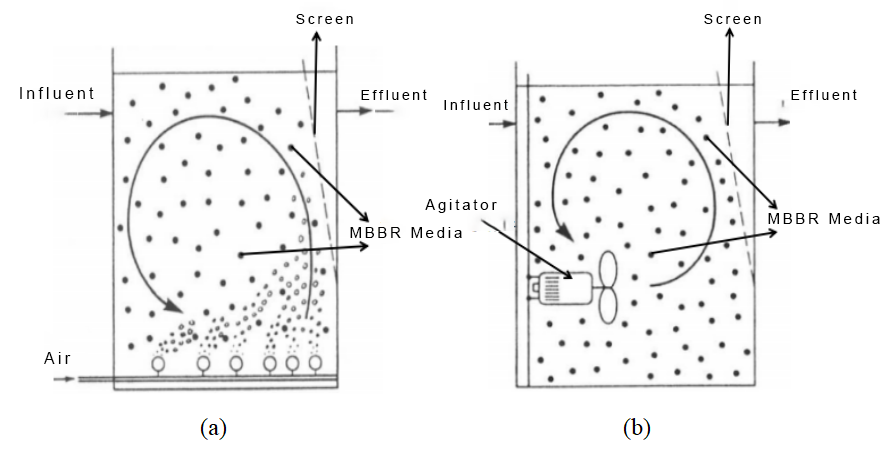
MBBR process is mainly divided into two types: aerobic MBBR and anoxic MBBR according to operating conditions. Among them, the aerobic MBBR tank is composed of four core units: tank body, suspended media (MBBR media), aeration device and effluent grid; the core difference between anoxic MBBR tank and aerobic configuration is that there is no aeration device, only a special mixer is equipped to realize media fluidization and mixing.
2.1 Tank Body
The MBBR reactor tank body can be flexibly designed as circular or rectangular structure according to project site and treatment scale. Among them, the aerobic MBBR tank adopts blast bottom aeration mode to provide core power for media fluidization; the anoxic MBBR tank realizes uniform mixing of sewage and media in the tank by installing a special submersible mixer. The two core configurations are shown in the figure below. Figure 1: Schematic diagram of MBBR reactor structure (a: aerobic MBBR; b: anoxic MBBR)
2.2 Effluent Interception Device
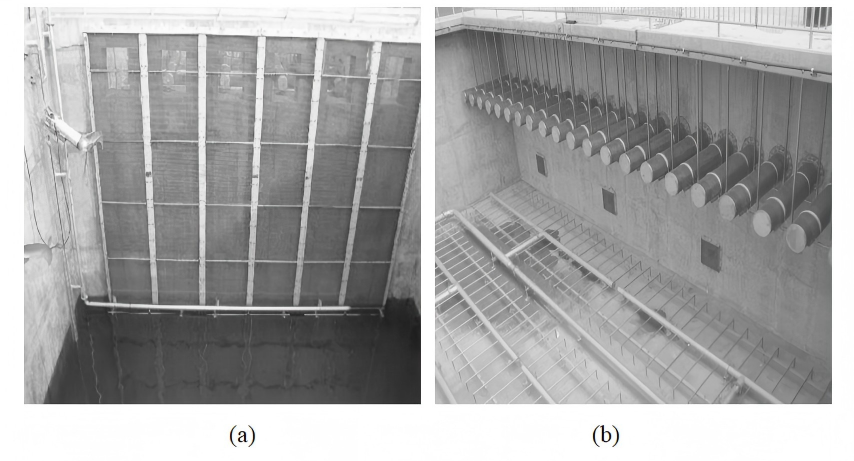
The commonly used effluent interception nets for MBBR reactors are divided into two mainstream types: vertically fixed stainless steel flat nets and horizontally placed wedge-shaped stainless steel wire nets. To avoid media and debris accumulation and blockage at the grid, it is necessary to install an air jet device or mixer at the bottom of the grid, which not only ensures smooth effluent of the system, but also fundamentally prevents MBBR media from being lost with the effluent. Figure 2: Example of interception net (a: vertically fixed flat net with air jet system; b: horizontal wedge-shaped stainless steel wire net)
3. Core of MBBR Process: Specifications and Selection of MBBR Suspended Media
Suspended media (MBBR media) is the core component of MBBR process. The specific surface area, material, fluidization performance and aging resistance of the media directly determine the treatment efficiency, operation stability and system energy consumption of the reactor, and are the core links in the design and equipment selection of all wastewater treatment projects.
3.1 Core Performance Requirements of MBBR Media
High-quality MBBR suspended media should have core features of large specific surface area, strong corrosion and aging resistance, precise density, good fluidization performance and fast biofilm formation. At present, mainstream MBBR media in the industry are mostly made of polyethylene, polypropylene and their modified materials, polyurethane foam and other materials, with density precisely controlled at 0.95~0.98g/cm³, slightly lower than water, which can achieve uniform fluidization in the whole tank under low power conditions, without backwashing, greatly reducing project operation energy consumption and daily maintenance costs.
3.2 Specifications and Parameters of Mainstream MBBR Suspended Media
At present, MBBR media commonly used in domestic wastewater treatment projects are mostly K-type media and similar optimized products. The core specifications and parameters are shown in the table below. As a professional suspended media supplier, Tongxiang Small Boss can provide a full series of products with specifications shown in the table below, and can also customize special MBBR media according to project water quality and process requirements.
| MBBR Media | Specific Surface Area (m²/m³) | Rated Size (mm) (Height; Diameter) |
|---|---|---|
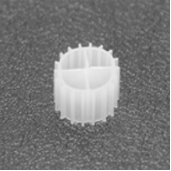 | 500 | 7; 9 |
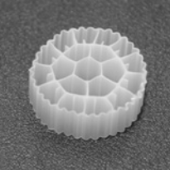 | 500 | 12; 25 |
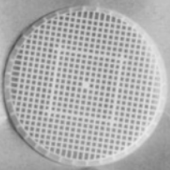 | 1200 | 2; 48 |
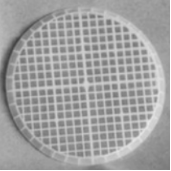 | 900 | 2; 48 |
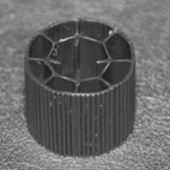 | 450 | 15; 22 |
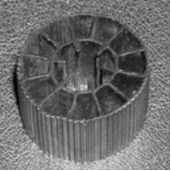 | 515 | 15; 22 |
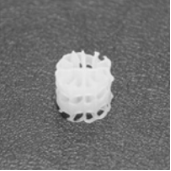 | 600 | 14; 14 |
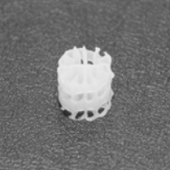 | 660 | 12; 12 |
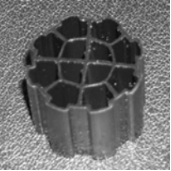 | 589 | 14; 18 |
4. Core Advantages of MBBR Process
High treatment efficiency, strong impact load resistance
MBBR process can form a highly specific active biofilm on the surface of the media, greatly improving the pollutant treatment efficiency per unit volume of the reactor, while significantly enhancing the process operation stability, effectively coping with large fluctuations in water quality and quantity, simultaneously reducing the reactor floor area and project civil construction cost.Simple operation and maintenance, no backwashing required
Different from traditional biofilm processes, MBBR process does not require regular backwashing of media, greatly reducing system head loss and operation complexity, reducing labor maintenance costs and operation and maintenance difficulty, suitable for long-term stable operation.Flexible operation, suitable for multi-scenario treatment needs
Multiple reaction sections can be arranged sequentially along the water flow direction to simultaneously achieve various treatment goals such as carbonization, nitrification, pre/post denitrification, meeting diversified water quality requirements such as nitrogen and phosphorus removal in one stop, without large-scale adjustment of process structure.- Strong adaptability, low upgrading and reconstruction cost
It can be directly adapted to the existing tank reconstruction of existing wastewater treatment plants, without large-scale civil construction, and can quickly achieve the upgrading and expansion of wastewater treatment plants, greatly reducing the cost and construction period of upgrading and reconstruction, and is one of the preferred processes for wastewater treatment plant upgrading and reconstruction.
5. Core Design Parameter Specifications for MBBR Reactor
The number of MBBR reactors or compartments should be no less than 2, designed according to simultaneous working mode. The core design parameters refer to the national code of *Water Supply and Drainage Design Manual* and mature industry engineering practice, as follows, which can provide authoritative reference for project design and MBBR media selection.
Media volume should be calculated according to media volume load and average daily sewage volume. Volume load is preferably determined by tests; when there is no test data, for projects dominated by domestic sewage/municipal sewage, the typical MBBR process volume load is recommended to be 1.0~1.4kgBOD₅/(m³·d).
For MBBR systems with carbon removal as the core purpose, the BOD load per unit carrier surface area (SALR) specifications are as follows: high load condition (75%~80% BOD removal rate) >20g/(m²·d); conventional load condition (80%~90% BOD removal rate) 5~15g/(m²·d); low load condition before nitrification ≤5g/(m²·d).
Application Purpose
BOD Load per Unit Carrier Surface Area (SALR) [g/(m²·d)]
High load (75%~80% BOD removal rate)
>20
Conventional load (80%~90% BOD removal rate)
5~15
Low load (before nitrification)
5
Design parameters for denitrification conditions: pre-denitrification rate is recommended to be 0.15~1.0g/(m²·d); when external carbon source is excessive for post-denitrification, the maximum nitrate removal rate per unit carrier surface area can be greater than 2g/(m²·d).
The specific surface area of MBBR media is conventionally 200~600m²/m³, which can be flexibly selected according to treatment goals and influent load.
The filling ratio of MBBR media is conventionally controlled at 30%~60%, which should be determined according to process flow and influent/effluent quality. The higher the load, the higher the corresponding media filling ratio.
Peak flow velocity design: it is necessary to check the horizontal flow velocity of the reactor under peak flow. When the horizontal flow velocity is<20m the="" media="" can="" be="" evenly="" distributed="" in="" when="" horizontal="" flow="" velocity="" is="">35m/h, problems such as media accumulation and sudden increase of head loss are prone to occur. Peak hydraulic conditions directly determine the reactor geometry and number of series.
Reactor length-width ratio design: when the length-width ratio is<1:1, it can effectively reduce media drift to the interception net under peak flow, ensuring uniform distribution of media in the tank.
Hydraulic retention time: anoxic MBBR is recommended to be 1.0~1.2h; aerobic MBBR is recommended to be 3.5~4.5h, and the dissolved oxygen concentration in the aerobic tank should be controlled at 2.0~6.0mg/L.
- The surface load of the supporting secondary sedimentation tank is recommended to be 0.5~0.8m³/(m²·h).
6. Core Equipment Selection Specifications for MBBR System
6.1 Pretreatment Device
Inert substances such as scum, plastic, sand and gravel are difficult to remove after entering the MBBR reactor, which is easy to cause system blockage, media wear and shortened service life. Therefore, MBBR influent must be equipped with a standardized pretreatment system.
- Under normal working conditions, qualified grids and grit chambers should be equipped. For projects with primary treatment units, the grid gap should be ≤6mm; for projects without primary treatment units, fine grids with aperture of 3mm and below must be installed.
For existing process upgrading and reconstruction projects, if the original pretreatment degree meets the specification requirements, no additional grid is needed.
6.2 Aeration Device
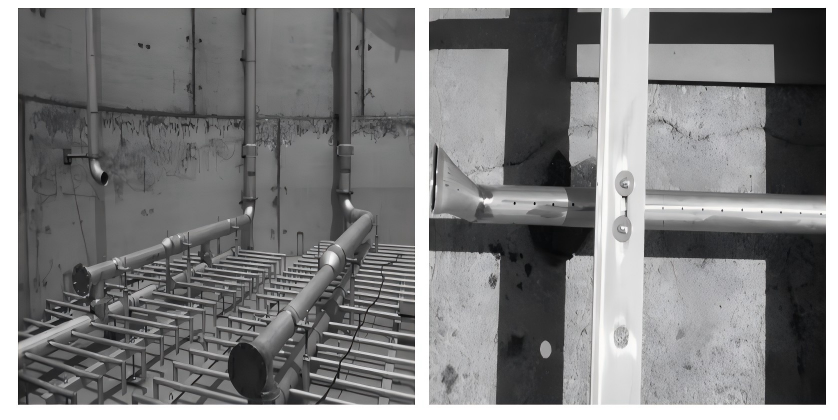
Aerobic MBBR process conventionally adopts customized perforated pipe aeration device. The aeration grid is composed of air distribution pipes and small-diameter diffusers with 4mm aeration holes at the bottom. Coarse bubble aeration mode, stainless steel material and high-strength structural design can ensure that the aeration device does not require daily maintenance and periodic replacement of diffusion components, greatly reducing system operation and maintenance costs. Figure 3: Example of perforated aeration system
6.3 Mixer
For denitrification anoxic MBBR reactor, submersible mixer should be used to realize media circulation and uniform mixing. The core specifications for mixer selection and installation are as follows:
Installation requirements: the mixer should be placed close to the water surface to avoid bringing air too close to affect the denitrification effect; it should be slightly inclined downward to push the media to the depth of the reactor to ensure uniform fluidization of media in the whole tank.
Power configuration: for MBBR reactors without aeration, 25~35W/m³ mixing power should be configured to ensure effective mixing of media in the whole tank.
Filling ratio adaptation: mixing efficiency is higher under low media filling ratio conditions, and high filling ratio is prone to poor media circulation; low filling ratio + high media surface load conditions can increase biofilm concentration, make media sink better, and easier to achieve uniform fluidization.
7. Core Application Scenarios of MBBR Process and MBBR Media
With core advantages of high efficiency, stability, flexibility and low operation and maintenance cost, MBBR process and supporting MBBR suspended media have been widely used in the following wastewater treatment scenarios:
- New construction projects of municipal domestic sewage treatment plants, as well as upgrading, expansion and reconstruction projects of existing sewage treatment plants;
- High-concentration organic wastewater treatment: industrial wastewater treatment in chemical, pharmaceutical, biological fermentation, textile printing and dyeing, food processing, slaughter and breeding industries;
- Rural decentralized wastewater treatment, new construction and reconstruction projects of township wastewater treatment stations;
- Refractory wastewater treatment projects such as landfill leachate, coal chemical wastewater, hospital wastewater, etc.
8. Direct Supply from MBBR Media Manufacturer
Tongxiang Small Boss is a professional manufacturer and supplier of MBBR media and suspended media. Having been deeply engaged in R&D and production of wastewater treatment media for many years, with fully automated production lines and perfect product testing systems, we can provide a full series of MBBR suspended media products with specifications in the article, and can also provide customized media production and one-on-one technical selection services according to project water quality and process design requirements.
Our MBBR media products have core advantages of large specific surface area, good fluidization performance, aging and corrosion resistance, fast biofilm formation, high treatment efficiency and long service life. Have been widely used in various municipal and industrial wastewater treatment projects across the country, and can provide one-stop MBBR media solutions for your wastewater treatment projects.
If you need to know the detailed parameters, product quotation and customized services of MBBR media, please feel free to contact us, and we will provide you with free technical support and selection solutions.
References
[1] Beijing Municipal Engineering Design and Research Institute. Water Supply and Drainage Design Manual. Volume 5, Urban Drainage [M]. China Architecture & Building Press, 2017.